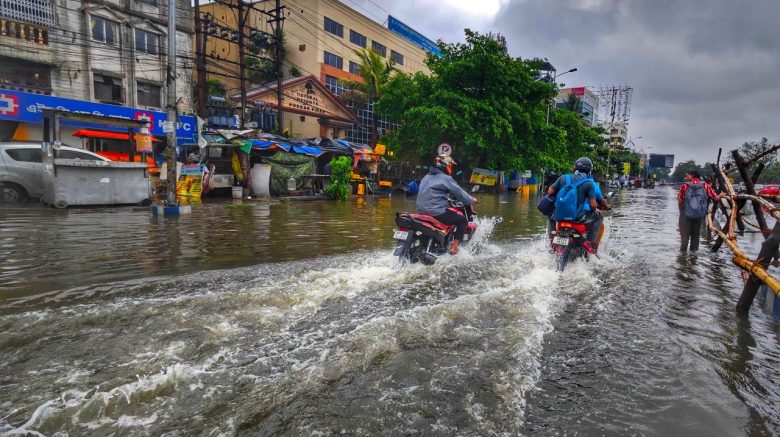
Floods: One of Nepal’s Most Devastating Natural Hazards
Flooding is one of the most frequent and destructive natural disasters in Nepal. Every year, especially during the monsoon season (June to September), heavy rainfall causes rivers to overflow, resulting in flash floods, landslides, and widespread damage. Communities living along riverbanks and low-lying areas are particularly vulnerable to these disasters.
Climate change, rapid urbanization, deforestation, and poor drainage systems have increased the frequency and severity of floods, putting thousands of lives, homes, and livelihoods at risk.
Major Causes of Floods
- Intense and prolonged monsoon rainfall.
- Overflowing rivers and streams.
- Deforestation and loss of natural vegetation.
- Poor urban drainage and unmanaged development.
- Landslide-dammed rivers that suddenly burst.
- Climate change leading to more extreme weather events.
Impacts on Nepal
- Loss of human lives and displacement of families.
- Damage to homes, schools, roads, bridges, and public infrastructure.
- Destruction of crops, livestock, and agricultural land.
- Contamination of drinking water, increasing the risk of waterborne diseases.
- Economic losses and disruption of transportation, communication, and essential services.
How We Can Reduce Flood Risks
- Avoid constructing homes in flood-prone areas.
- Keep drainage systems, rivers, and waterways free from waste and blockages.
- Plant trees and protect forests to reduce soil erosion and improve water absorption.
- Follow weather forecasts and flood warnings issued by authorities.
- Prepare emergency kits and evacuation plans for families and communities.
- Support local disaster preparedness programs and community awareness initiatives.
Building a Flood-Resilient Nepal
Floods cannot always be prevented, but their impacts can be significantly reduced through preparedness, sustainable land management, and community cooperation. By protecting our environment, strengthening infrastructure, and responding quickly to early warnings, we can save lives and build safer, more resilient communities.
Preparedness today can protect lives tomorrow. Together, we can reduce the impact of floods and create a safer Nepal for future generations.