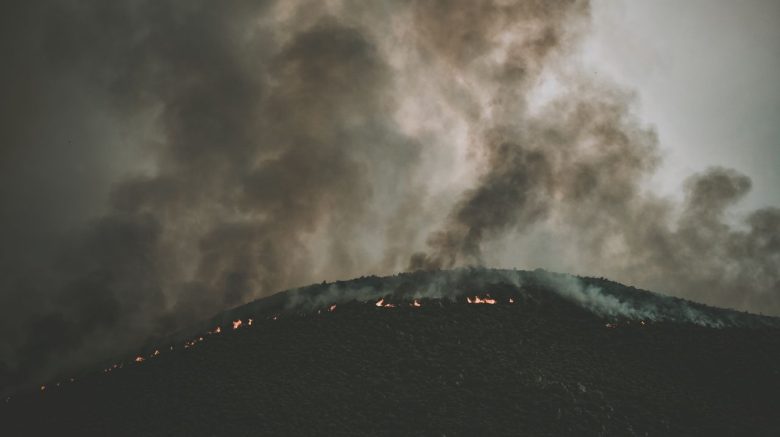
Nepal’s Dry Season Brings a Growing Wildfire Threat
Every year, Nepal’s dry season—typically from February to May—brings an increased risk of wildfires. Forests become highly flammable due to prolonged dry weather, strong winds, and the accumulation of dry leaves and vegetation. A single spark, whether caused by human activity or natural factors, can quickly spread into a devastating wildfire.
Wildfires have become more frequent and intense in recent years, affecting Nepal’s forests, wildlife, local communities, and air quality. They destroy valuable biodiversity, release large amounts of carbon into the atmosphere, damage watersheds, and threaten livelihoods that depend on forest resources.
Major Causes of Wildfires
- Carelessly discarded cigarette butts.
- Unattended campfires and cooking fires.
- Burning agricultural fields that spread into nearby forests.
- Deliberate forest fires for grazing or illegal activities.
- Dry weather, high temperatures, and strong seasonal winds.
Impacts on Nepal
- Destruction of forests and wildlife habitats.
- Increased air pollution and harmful smoke affecting public health.
- Loss of biodiversity and endangered species.
- Damage to homes, farms, and infrastructure near forest areas.
- Increased risk of soil erosion, floods, and landslides during the monsoon due to the loss of vegetation.
How We Can Help Prevent Wildfires
- Never throw burning cigarettes or matches into forests.
- Avoid lighting fires in forested areas during the dry season.
- Properly extinguish campfires before leaving.
- Report any signs of wildfire immediately to local authorities or community forest groups.
- Support community awareness and forest conservation initiatives.
Protecting Nepal’s Green Heritage
Nepal’s forests are home to extraordinary biodiversity and provide clean water, fresh air, and livelihoods for millions of people. Preventing wildfires is a shared responsibility. Through awareness, responsible behavior, and community cooperation, we can help protect our forests for future generations.
One careless spark can destroy thousands of hectares—but one responsible action can help save them.